


With more than 400 million searches performed online every day, SEO is 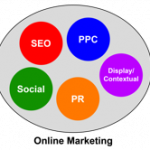 becoming increasingly important to businesses. If your site doesn’t come up on the first page of the search results, then you are missing out on thousands, if not millions, of potential customers.
So, how do you make sure your website gets to the top of search engines like Google, Yahoo and Bing?
The SEO concept is fairly simple, but the process can seem a little tricky. Below is a little bit about how SEO works, some of it is a little technical.
The SEO process prepares a site to be indexed and captured by the search engines, so those search engines will show your site’s pages to the users.
SEO actually includes on-page (work done directly on your site) and off-page (work done off your site) optimization. The on-page factors help the search engines determine what each page on your site is about, who the intended audience of your individual pages would be, geographical information about where you’d like to be seen, page and website popularity, page and website trust, and hundreds of other items.
The portion of SEO we call “off-page factors” include things that make your site more credible or popular. Think about what naturally makes the NY Times more popular: regular information published in a timely manner and aimed at a specific audience.
Of the many items that the search engines consider, there are few that you have complete control over including:
- The coding of your site
- Content generation and optimization
- Conversion of visitors that land on your site
- The country you’d like to be indexed in (Google US, Google Japan, Google Canada, etc.)
- Which pages on your site should be seen more often by search engine robots and visitors alike
However, SEO is only part of online marketing – which includes pay-per-click advertising (PPC), search engine marketing (SEM), social media marketing, blogging, online press releases, display advertising and more – and it’s important to not forget these other avenues.
The world of communication is changing so rapidly, but some trends are easy to spot. More powerful handheld computers are coming out regularly. Wi-Fi is increasing in speed and usage.
People have changed communication habits from calls to texts, faxes to emails, emails to tweets (micro-blogging using the Twitter blogging platform), sharing pictures and videos online with friends and strangers alike. Upwards of 70 percent of 18-to-34-year-olds have watched television on the Web, and the list of many other obvious behaviors continues.
A few things to consider about how users will interact with your site, brand and product:
- Mobile devices are selling faster than ever and more people are accessing information on-the-go
- People need the right information more quickly
- 200 million blogs have been created giving your customers a voice to the world they’ve never had before
- 78 percent of consumers trust peer recommendations; only 14 percent trust advertisements
- 96 percent of Generation Y have joined a social network
As a result of these, and many other factors, we must be diligent in promoting our brands, placing the right information in front of the right audience at precisely the right moment.
We must rely on tools and platforms like the search engines, social networks and consumer bloggers to help us spread the messages we desire while understanding that once our message has been started, it may twist and turn as others attach themselves to it and pass the message along to their network of peers.
Search engines are often the starting point of these messages and we must prepare our sites and pages to be the best possible choice for search users typing in a specific keyword or phrase. We must promote each page as a single document living inside of a trusted set of pages to increase the changes of the right audience finding the exact information they’re seeking.
We must be consistent in our message and promotions to keep the attention on our most favored products and encourage others to tell a friend.
Search engines will no doubt change over time but people will continue to need a place to search the billions of documents created annually. Search engines will continue to improve the ability to read and understand your pages to serve up to those who are seeking information.
We must understand the trends, prepare our documents to stay up-to-date with the changes and strive to be the best resource for the information we provide.
– Ash
| About Ash Buckles Related Resources More Posts by Ash Buckles See how your site ranks. Get your FREE Ranking Report NOW. |
![Reblog this post [with Zemanta]](http://img.zemanta.com/reblog_e.png?x-id=0098b3e1-3f4e-4f99-9bea-2b056d48af7c)
